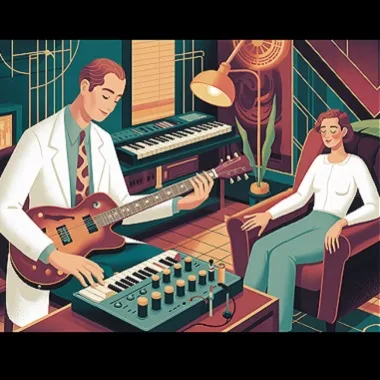
Remember when you believed your playlist could cure any heartbreak or beat the Monday blues? Turns out, science says you’re not too far off. Music therapy is serious business, and it gracefully waltzes into roles you’d expect from your therapist, pain reliever, or rehab coach. It’s more than just humming your troubles away; it’s backed by fascinating research digging into its multifaceted benefits.
Music therapy doesn’t just play around with emotions; it orchestrates positive changes in mental health, pain management, and rehabilitation processes. Scientists have drawn up a symphony of studies that show how music therapy can dance along synapses, resonate within your soul, and play sweet notes of recovery. It’s like having a DJ for your stress and physical discomfort, making research in this field both harmonious and groundbreaking.
This witty explorer’s guide dives into the scholarly ballads of scientific studies on music therapy across mental health frameworks, chronic pain-slaying symphonies, and rehabilitation concertos. So, grab your earbuds and dive into the scientific hits exploring how music therapy plays its greatest hits in mental health, pain relief, and rehabilitation.
Introduction – Scientific Studies on Music Therapy
Picture this: you’re lying on the couch after a long day of wrestling with chronic pain disguised as an unruly octopus and battling mental health dragons. Suddenly, like a superhero silently entering the scene, music therapy swoops in to save the day. Don’t believe it? Well, physical medicine and rehabilitation experts certainly do. This magical combination is all about reclaiming our inner rock stars when medical conditions or injuries make us feel more like out-of-tune banjo players. Whether it’s the haunting sound of a violin bringing a tear to your eye or a catchy pop tune making you want to dance like nobody’s watching, music therapy has been scientifically shown to improve not only mental and emotional states but also physical functionality. Places like Vanderbilt Health even offer harmonious blends of physical medicine, rehab, and music therapy—a rock ‘n’ roll approach to healing that ensures both your body and mind play in tune after waves of chronic pain, brain disorders, or the ultimate beast—post-surgery recovery.
Definition of Music Therapy
You may be wondering, what exactly is music therapy? Is it like karaoke night with your therapist? Well, close, but not quite. Music therapy is a professional health service that employs music’s mystical powers to improve health outcomes. Whether you’re a shower singer with dreams of Broadway or simply someone who loves a good symphony, music therapy uses personalized music experiences—ranging from listening to creating music—to achieve specific therapeutic goals. It’s essentially a jam session with a purpose, led by highly trained music therapists who specialize in tailoring the treatment to fit your unique medical playlist. Their aim is to reduce stress, alleviate anxiety, manage pain, and even help with rehabilitation, ensuring you not only recover but do so with a little more melody in your life. It’s not just about basking in your favorite tunes; it’s a harmonious duet between science and music, ensuring your health is the real rock star of the story.
📚 Books on Music Therapy: Books on Music Therapy
Overview of Scientific Research in Music Therapy
Scientific research into music therapy reads like a greatest hits album for our mental health and rehabilitation needs. From soothing heartbeats to managing persistent pain, studies reveal that music therapy isn’t just another flash in the therapeutic pan. When it comes to mental health, music therapy has shown promise as a chart-topping intervention for tackling conditions like neurodevelopmental or substance use disorders. The research highlights include the effectiveness of music therapy at providing a non-pharmacological option for pain relief, making it a folk hero against chronic pain and other distressing types of pain without the use of pain medicines.
Experts have harmoniously agreed that music therapy plays a crucial role in supporting emotional and physical well-being, offering a supportive backing track in rehabilitation efforts across various health conditions. By incorporating music into health care plans and rehabilitation services, empirical research orchestrates a symphony of advantages, positioning it as a complementary treatment in enhancing emotional and physical recovery, because who doesn’t want a recovery soundtrack by the Beatles or Beethoven?
In essence, scientific studies in music therapy offer a well-orchestrated show of how powerful vibrations can resonate with our health and well-being, paving the way for future studies that might just be music to a healthcare provider’s ears. So, the next time you’re struggling with acute pain or grappling with cognitive impairment, you might want to call in the music therapists. They’re not only masters of harmonies but can orchestrate a medley of emotional and physical rehabilitation miracles, helping turn the cacophony of illness into the melody of recovery.

Scientific Studies on Music Therapy – Feature Image
The Role of Music Therapy in Mental Health
Suppose you’ve ever belted out “Don’t Stop Believin'” in the shower or felt a surge of happiness during a spontaneous dance party. In that case, you’ve already dabbled in Music-Based Interventions for mental health! Music therapy is like a magical melody that can transport you to a mental paradise, far away from the clutches of stress and anxiety monsters. From working wonders on mental disorders like depression and anxiety to harmonizing brainwaves in cases of neurodevelopmental disorders, music therapy is a promising contender in the field of mental health remedies.
Mechanisms of Music Therapy in Mental Health
Imagine if your brain had a DJ who could spin tunes to calm the wildest parties of emotions. Music creates specific pathways in our brains that can alter physiological responses like heart rate and even our perception of chronic pain. By pairing these effects with techniques used by trained music therapists, individuals can better navigate the frequency waves of life. These sessions can boost social functioning, ultimately leading to improvements in mental health conditions. So, next time you hum along to your favorite track during a therapy session, remember that it’s your brain getting its groove on!
Music Therapy and Depression
Depression might be a tough gig, but music therapy is here to steal the spotlight! Happily for us, studies indicate that the effectiveness of music therapy in easing the heavy emotions of depression is no longer just a rumor spread by music therapists. Listening to music can decrease feelings of loneliness and illuminate a path toward positive emotions. By integrating music therapy sessions into treatment plans, health care providers can offer a harmonious alternative to the usual diet of gloomy thoughts, one beat at a time.
Music Therapy and Anxiety
If your anxiety was a song, it might sound like a scratchy record stuck on repeat. But fear not, because music therapy can flip it over to the calmer side of the LP. Numerous health professionals resonate with the soothing effects music has on anxiety. By lowering acute pain perceptions and disrupting the recycling of negative chatter, music therapy decreases the volume on those nagging inner critics. When future studies have been tuned by health care providers, music therapy could become the number one hit for anxiety relief.
Effects on Autism Spectrum Disorder
When it comes to autism spectrum disorder, music therapy plays a pivotal role akin to that of a superstar producer in the studio. Children with autism can benefit significantly from rehabilitation services that incorporate harmonious tunes to craft social and communicative hits. Rehabilitation efforts often weave in rhythmic interactions to enhance cognitive and physical functionalities. Programs designed with individual needs in mind bring the perfect harmony to addressing developmental disorders, ultimately aiming to help these children march to the beat of their own drums in their daily lives.
Cognitive Impairment and Music Therapy
Cognitive impairment doesn’t stand much of a chance once the music starts playing. Like the perfect playlist at a party, music therapy can wake up dormant brain cells and call out those ingenious moves you’d forgotten you had. For individuals struggling with cognitive decline, music therapy serves as a jukebox filled with notes of hope. Offering effects akin to those of physical therapists on our bones, music therapy rejuvenates mental agility and sparks synaptic fireworks, proving that sometimes the best medicine isn’t a pill, but a perfectly crafted melody.
Music Therapy for Chronic Health Conditions
Who would’ve thought that your iPod (or whatever the kids are using these days) could double as a medical device? Yes, indeed, music therapy has sashayed its way into clinical circles, proving that a good beat can do more than just make you groove in your living room. Researchers have seriously rolled up their sleeves and applied scientific methods to understand the effects of music therapy on chronic health conditions. It turns out that those tunes aren’t just for party playlists but can actually help alleviate symptoms ranging from anxiety to chronic pain. Yes, you read it right; swapping Adele for Advil might just be your next prescription. This melody-driven miracle involves everything from banging on a drum to zoning out with your headphones, all under the watchful eye of music therapists, who make sure you hit all the right notes on your journey to well-being.
Multiple Sclerosis
Multiple sclerosis, or MS, is proof that life loves throwing a curveball or two—or fifty. With symptoms that might make you feel like you just stepped off the Tilt-a-Whirl, it’s no wonder many MS patients seek physical medicine and rehabilitation. MS doesn’t just invite pain to the party; it sometimes brings along friends like movement issues and cognitive impairments. Cue music therapy, which steps in like a superhero in headphones, offering a harmonious method to manage chronic pain and emotional well-being. By jamming to tunes or even making some music yourself, you could find a bit of relief from the confusion that MS introduces. According to research, getting lost in music can help untangle some of those pesky brain fog issues while giving your mood a much-needed lift.
Parkinson’s Disease
Parkinson’s disease may play hardball with your motor skills, but rehabilitation programs are here to play defense. These programs are like a giant team-up franchise with specialists ranging from neurologists to music therapists, each stepping in to address different facets of the condition. Music therapy enters the scene like a DJ at a wedding, keeping spirits high and bodies moving. This therapy may not cure your Parkinson’s, but it’s got rhythm, and that means muscles can find a bit of a groove in their daily dance. So, if you find yourself tapping an involuntary jig thanks to this condition, rest assured the rehab plan includes ways to make those movements a little more choreographed, all under the expert guidance of certified specialists.
Chronic Obstructive Pulmonary Disorder (COPD)
When it comes to Chronic Obstructive Pulmonary Disorder, or COPD for those who value fewer syllables, breathing can become a daily drama. While information on music therapy specifically for COPD isn’t as abundant as the condition deserves, we do know that music has a universality that’s hard to beat—just like needing a breath after racing up a flight of stairs. Imagine belting out a new tune as cardio! While COPD doesn’t have a specific playlist yet, there’s potential for music therapy to play a role in easing the emotional burden of the disease. Picture yourself swapping a seat in a drab waiting room for a music therapy session where you’re encouraged to sway and perhaps even strengthen your lungs. Until more studies are out, keep humming along because it’s better than any silence-filled gasp.
Music Therapy for Pain Relief
Picture this: You’re lying in a cozy bed with plush pillows, the room softly lit, and your favorite tunes playing in the background. Suddenly, you feel the chronic pain that’s been poking at you all day take a backseat. How? Through the magical wizardry known as music therapy! Yes, dear reader, scientific studies have found that this delightful approach is not only fit for serenading sour moods but also nifty for tickling away the tortures of pain. It promotes emotional well-being, which can alter how we perceive various types of pain, from pesky acute pain to chronic aches. When music is used as a symphony partner with other therapies like cognitive behavioral therapy (CBT) and relaxation techniques, it can create a holistic and harmonious management plan that even Mozart would approve of. So, the next time pain strikes a discordant note, just remember that combining music with other therapies could compose a melody of relief that hits all the right notes!
Music and Pain Management Strategies
Hold on to your headphones because music therapy is spinning into pain management strategies like a DJ at a wellness rave. It’s making waves alongside non-medicine methods such as meditation and exercise. Experts have orchestrated that when utilized in tandem with CBT, music therapy can empower patients to face the wrath of chronic and acute pain with panache. The goal? To turn the volume down on pain messages sent from our bodies. Throw in acupuncture and the gentle stretch-power of yoga to the mix, and music therapy becomes a virtuoso performance in symptom soothing. Never underestimate the impact of reducing emotional stress tied to pain; with music therapy playing in the background, life can become a little less like a metal concert and more like a soothing symphony. So why not lend an ear to music therapy in this holistic symphony of strategies? Your body may just decide to join in and dance along!
Comparison with Drug-based Pain Relief
Now, let’s pause for the dramatic piano and compare our lyrical hero, music therapy, with the classic toe-tapping pain medicines duet. Analgesic medications have been headliners for pain relief gigs across the globe. From over-the-counter rockstars providing short-term relief to the smooth jazz tunes of antidepressants like SSRIs, these medications know their stuff. However, even these icons come with tour managers… erm, doctors, to monitor potential side effects, especially with long-term, chronic conditions. Then there’s the rising star, medicinal cannabis, considered for stubborn cases like neuropathic pain. But not everyone wants the side effects of daily poppin’ pills. That’s where music therapy swings in like a surprise saxophonist at a jazz club. When paired with physical, cognitive, and mindfulness therapies, it might just steal the spotlight for many in managing pain minus the medication melodrama. So, next time you’re in need of pain relief, perhaps let the therapeutic melodies of music therapy croon you into comfort while medicine takes a well-deserved break backstage.
Elements of Music in Therapeutic Contexts
Ah, music therapy—the tonic for the soul that’s been scientifically shown to be as groovy as it is groovy (because one “groovy” isn’t enough to capture its essence). Imagine a world where Mozart is your doctor, the Beatles are your pharmacists, and you get a prescription for a little Beethoven instead of pain medicines. This is not just fantasy; it’s the marvelous realm of music therapy where sound waves are your health professional’s secret weapon. But don’t fret, while a music therapist doesn’t don a white coat, theirs is a role vital in navigating the symphony of mental health, pain relief, and rehabilitation.
Tonality and Mental Health
In the realm of mental health, tonality is like your emotional GPS, guiding you through the emotional traffic jam of life. The right notes can open up emotional floodgates, letting tears roll down or turning frowns upside down—depending on whether you’re listening to Adele or Pharrell, respectively. Music therapy provides a safe platform for emotional expression, especially when words fall short. Not only does it allow those suffering from mental disorders, neurodevelopmental disorders, or substance use disorders to channel their feelings, but it also breaks the ice, dismantles rigid facades, and fosters social functioning. So, next time you catch yourself belting out some heartfelt lyrics in the shower, remember, it’s not just your neighbors banging on the walls—it’s your mental health cheering you on!
Rhythm in Rehabilitation
When it comes to rhythm, nobody does it better than the human body—unless, of course, you’re attempting the cha-cha, and then maybe you need a bit of an assist. That’s where rhythm comes in. In rehabilitation settings, rhythm is harnessed to help improve motor function and coordination for patients with conditions like chronic pain, brain disorders, and even those dealing with limb amputations. Within the dynamic field of Physical Medicine and Rehabilitation, music therapy sessions introduce rhythm as a metronome for the body, helping patients tap back into their innate cadence to restore mobility, synchronize movement sequences, and perhaps even contribute a few moves at a future dance party. Physical therapists and music therapists often partner up, showing that two heads—or feet—are better than one for regaining functional abilities.
Reward and Social Connectivity
Let’s face it, who doesn’t love the dopamine rush from listening to their favorite jam? Just as you might reward yourself with a slice of cake, music serves as a sugar-free reward system. Engaging with music doesn’t only get your heart rate moving; it strengthens social bonds. In therapeutic settings, this aspect of music cultivates social connectivity, building bridges between individuals like a melodious networking event minus the awkward small talk. Group music activities enhance social cohesion with the added benefit that no one is judged for singing a little off-key. If only career networking was this melodious!
Insights from Twin Modelling Studies
Ever wondered if your musical talent is due to those piano lessons your parents forced on you or because it’s woven into the very DNA robe you wear every day? Twin modeling studies have swooped in to answer precisely that. These studies have provided captivating insights into how individual differences in musicality can influence the effectiveness of music therapy. Essentially, if your twin plays piano beautifully and you still sound like you’re massaging the keyboard with a live chicken, it might be more about genetics than practice. That’s right, future studies are likely to continue humming this tune, helping to determine how musical ability varies from one individual to another and how this variance impacts therapeutic outcomes.
Psychoacoustic Testing
While it sounds like something straight from a sci-fi movie involving mind-reading headphones, psychoacoustic testing is all about understanding the auditory perception of musical elements. This field is full of science-y types decoding how the brain processes sounds, which will eventually help optimize music therapy strategies. It’s like being the Sherlock Holmes of sound, investigating how low notes, high pitches, or maybe that delightfully annoying ringtone affect your cognition or emotional state. While it’s under the auditory microscope now, in the future, we might just wear hats with antennae to help us vibe with the perfect sound waves for our mental and physical wellness.
Individual Differences in Musicality
Ever noticed how some people can pick up a guitar and be the next Hendrix, while others struggle to play a C chord? Individual musicality differences can play a significant role in the effects and effectiveness of music therapy. These differences can be as varied as music genres themselves, influencing how people respond to therapies. Some may find solace in the gentle strum of a harp, while others might prefer the heavy crash of a drum kit to feel at peace. So, whether you’re a classical connoisseur or a rock n’ roll renegade, know that your unique taste in music makes your therapy session as personalized as a playlist built with your musical quirks in mind. Fancy that—a therapeutic session tailored just for you by the tunes that make your heart sing!
Scientific Studies on Music Therapy – Blog Image 1
Real-Life Success Stories in Music Therapy
Music therapy has been buzzing louder than a rock concert in the scientific community, not just for its catchy tunes, but for its harmonizing effects on mental health and pain relief. Imagine ditching pain medicines and heading to an Elvis tribute show instead! (No blue suede shoes required!) This magical world of therapy is filled with melodies that challenge traditional approaches to health conditions. Let’s dive into some real-life success stories where music therapists wave their magical baton (metaphorically, not literally) at various medical conditions.
Case Studies on Music Therapy for Pain
Now, let’s address the elephant in the room: pain. Yes, the kind that no guitar solo can easily erase. Thanks to physical therapists and music therapists joining forces, we’ve witnessed some hits in alleviating both acute pain and its more stubborn sibling, chronic pain. In some snazzy case studies, patients like John—let’s call him “Achy Breaky John”—experienced significant pain relief after engaging in music therapy sessions. Yes, the type of pain that typically insists on a dramatic performance, but music whispered sweet nothings, and pain messages faded into the background.
Despite John’s health care provider reaching for the pain medicines, it was the sound of Mozart that managed to turn the volume down on his aches. You see, the music therapy sessions didn’t just stop at pain relief. John’s heart rate slipped into a groovy rhythm, promoting social functioning and mental health like a classic Beatles number. This isn’t just a rock ‘n’ roll fantasy—it’s the effectiveness of music therapy in action!
Case Examples from Clinical Settings
Imagine a clinical setting where a health professional taps on a tambourine rather than a clipboard. Some would call it bizarre; we call it genius! Numerous clinical environments are rewriting pain management history, replacing routine charts with an entirely new kind of chart—musical notes! One such example involves Lara, a young woman coping with a neurodevelopmental disorder. Under the careful guidance of her musical maestro—a.k.a. the music therapist—Lara learned to express herself through rhythm, which improved her cognitive impairment significantly. Props to team music therapy!
But let’s not overlook the intriguing challenge that substance use disorders pose. In specialized clinical settings, music-based interventions have shown promise as a valuable component alongside traditional treatment strategies. Let’s imagine a patient, Mike, who steps into rehab drumming to his own beat—literally. By incorporating music therapy, healthcare providers observed tangible improvements in Mike’s outlook and social functioning. If only Beethoven were alive to see music shape new futures!
In summary, whether it’s turning up the volume on social skills, reducing the need for pain medicines, or having the music therapist choreograph a dance-off with heart rate and pain messages, these success stories illustrate that music therapy is more than just a cabaret. Stay tuned for future studies, and remember, when life presents pain, just say, “Start the music!”
Resources on Music Therapy
👂 Classical Music: Classical Music
🎸 Musical Instruments: Musical Instruments
🎸 Experimental Music Playlist: Relaxing Music
https://youtube.com/playlist?list=PLCStG_4aSpqYh3KiUEmW73wDae05UKySY&si=lBOvjtE6b6SCjchL
Finding Qualified Music Therapists
Finding a qualified music therapist can be as challenging as finding the right note in a symphony. But fear not, for we have the guide to melody magic! 🎵
When searching for a music therapist, look for these key qualifications:
- Certification: Certified music therapists (CMTs) have completed an approved program and are often board-certified. This means they’re not just hitting random notes on a xylophone!
- Experience: Check their background, clinical work, and the type of pain or mental health conditions they’ve experienced in treating, whether it’s chronic pain, cognitive impairment, or neurodevelopmental disorders.
- Specialization: Some therapists focus on particular music-based interventions or health conditions. See if their expertise aligns with your needs, be it social functioning or rehabilitation.
- Professional Memberships: A reputable music therapist should be part of professional organizations—think of it as their backstage pass to the world of musical healing.
To sum up, when sourcing your music therapy maestro, remember: qualifications are key, experience is gold, and a sense of humor is the cherry on top! 🎤🥳
Additional Resources
ActivoWeb LLC specializes in creating custom websites for health and wellness businesses looking to enhance their online presence.
Learn more at activoweb.com.