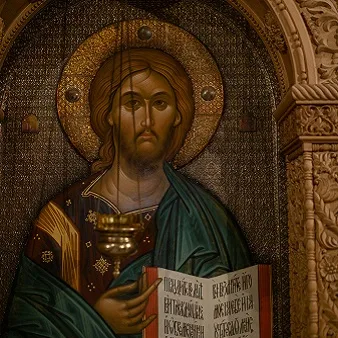
The blood of Jesus Christ holds deep meaning for many believers. It symbolizes redemption, sacrifice, and hope, playing a vital role in Christian faith and worship. This sharing of His blood is seen as a powerful act that connects the past, present, and future of spiritual life.
Throughout history, references to the blood of Christ have influenced countless traditions and practices. From ancient texts to modern sermons, its significance continues to shape worship and beliefs today. Understanding these aspects can enlighten individuals about its profound impact on their faith journey.
By exploring the blood of Jesus Christ, one can discover its theological importance and how it resonates in personal lives. This insight can lead to a richer appreciation of Christian teachings and practices, fostering a deeper connection with faith.
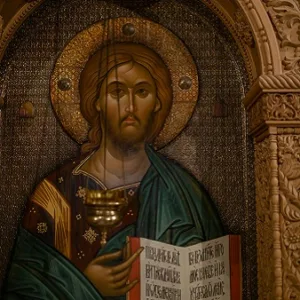
Blood of Jesus Christ Blog – Main Image
Key Takeaways
- The blood of Jesus symbolizes redemption and sacrifice in Christianity.
- Historical and cultural contexts have shaped its interpretation over time.
- Understanding its significance enhances personal faith and worship practices.
Theological Significance of the Blood of Jesus Christ
The blood of Jesus Christ holds deep theological meaning in Christianity. It represents key concepts such as salvation, covenant, purification, and victory over evil. Each of these aspects plays a crucial role in understanding the faith.
“But if we walk in the light as He is in the light, we have fellowship with one another, and the blood of Jesus Christ His Son cleanses us from all sin.” – 1 John 1:7
Salvation through the Blood
Salvation in Christianity is closely tied to the blood of Jesus. It is believed that His sacrifice on the cross atoned for the sins of humanity. By shedding His blood, Jesus offered a path to forgiveness and eternal life.
Scripture teaches that accepting this gift of salvation brings believers into a right relationship with God. They believe that through His blood, sins are washed away, allowing individuals to be seen as pure and holy.
Covenant and Redemption
The blood of Jesus also symbolizes a new covenant between God and humanity. This covenant is based on grace rather than works. It confirms that God’s promises are fulfilled through Jesus’ sacrifice.
In the Old Testament, sacrifices involved the blood of animals. Jesus’ sacrifice replaces these, making His blood the ultimate means of redemption. Believers see this as an assurance that their relationship with God is secure, emphasizing God’s faithfulness.
Purification and Sanctification
Through His blood, Jesus provides purification from sin. This concept is significant for believers seeking to live a holy life. They view His blood as a cleansing agent that removes guilt and shame.
Sanctification is the process of becoming more like Christ. The blood plays a vital role in this journey. It empowers believers to overcome sin and live thoughtfully according to God’s will.
Victory over Evil
The blood of Jesus is also seen as a symbol of victory over evil forces. Many Christians believe that through His sacrifice, Jesus disarmed spiritual powers that oppose God. His blood is viewed as protection against sin and darkness.
In spiritual warfare, the blood serves as a reminder of Jesus’ triumph. Believers claim that invoking His blood brings strength to resist temptation and evil influences. This aspect adds to the significance of Christ’s sacrifice and its impact on their lives.
Biblical References to the Blood of Jesus Christ
The blood of Jesus Christ is a key theme in the Bible. It connects to both the New and Old Testaments, highlighting its significance in salvation and faith. This section explores important scriptural references that illustrate the meaning and importance of His blood.
New Testament Revelations
In the New Testament, the blood of Jesus plays a crucial role in the message of salvation. Hebrews 9:22 states, “Without the shedding of blood, there is no forgiveness of sins.” This illustrates that Jesus’ sacrifice was necessary for redemption.
In Matthew 26:28, Jesus says, “This is my blood of the covenant, which is poured out for many for the forgiveness of sins.” This emphasizes His blood as the foundation of the new covenant between God and humanity.
- Redemption and Forgiveness: His blood cleanses and restores believers.
- Covenantal Significance: It marks a new relationship with God.
Old Testament Prophecies Fulfilled
The Old Testament contains many prophecies that point to the significance of blood in the sacrificial system. In Isaiah 53:5, it is foretold that the Messiah would be “pierced for our transgressions.” This prophecy foreshadows the suffering and sacrifice of Jesus.
The Passover lamb in Exodus 12 is another important reference. The blood of the lamb protected the Israelites from the final plague in Egypt. This event symbolizes Jesus as the ultimate Passover lamb, whose blood protects believers from sin and death.
- Sacrificial System: Blood sacrifices were vital for atonement.
- Foreshadowing Christ: Ancient prophecies allude to His sacrificial role.
The Last Supper and Communion
During the Last Supper, Jesus instituted communion, giving deeper meaning to His blood. He took a cup and said, “This is my blood of the new covenant.” This moment connects His blood to the ongoing practice of communion among believers.
- Symbol of Unity: Jesus’ blood unites believers in their faith.
- Reminder of Sacrifice: Communion serves as a perpetual reminder of His sacrifice.
Each of these moments portrays the deep importance of the blood of Jesus Christ in biblical texts. They reveal His role as Savior and highlight the transformative power of His sacrifice in the lives of believers.
Historical and Cultural Context
The blood of Jesus Christ holds deep significance within various historical and cultural settings. Understanding these contexts provides insight into how this concept has evolved over time. It also reveals its importance in both Jewish traditions and early Christian thought.
Jewish Sacrificial System
In ancient Judaism, blood played a critical role in sacrificial systems. Animals were often sacrificed to atone for sins and seek God’s favor. The blood of these sacrifices was seen as sacred and carried powerful symbolism.
The Day of Atonement was particularly important, as the high priest would offer a goat as a sin offering. The animal’s blood was sprinkled in the temple, signifying purification for the people. This practice established a foundation for later Christian interpretations of Jesus’ sacrifice.
Additional Information on the Blood of Jesus Christ:
The Power of the Blood of Jesus: The Vital Role of Blood for Redemption, Sanctification, and Life, Updated Edition Audible Logo Audible Audiobook – Unabridged Andrew Murray (Author), Aneko Press (Publisher)

Blood of Jesus Christ -Blog Image 1
Early Christian Interpretations
Early Christians viewed the blood of Jesus as essential for salvation. They believed that His crucifixion fulfilled Old Testament prophecies about sacrifice. Jesus was seen as the ultimate atonement for sin, bridging the gap between humanity and God.
Writings from early church leaders emphasized the salvific power of His blood. The symbolism of blood in communion further deepened this belief. It became a central ritual, reflecting the sacrificial nature of Jesus and highlighting His role in redeeming humanity.
Medieval and Reformation Perspectives
During the medieval period, the blood of Christ took on additional meanings within church practices. It was associated with themes of devotion and intercession. The concept of Transubstantiation taught that bread and wine became Christ’s body and blood during mass, reinforcing its importance in worship.
The Reformation brought new interpretations. Reformers like Martin Luther emphasized salvation by faith, distancing from Catholic views on works and ritual. They asserted that Jesus’ blood was sufficient for redemption, transforming Christian thought and practice about His sacrifice and the role of the church.
Modern Interpretations and Theologies
Many churches and scholars have different views about the Blood of Jesus Christ. These views shape modern beliefs and practices. Discussions often center around ecumenical perspectives, ongoing debates, and the symbolism seen in worship today.
Ecumenical Views on the Blood of Jesus Christ
Ecumenical movements focus on unity among different Christian denominations. The Blood of Christ is seen as a key element in achieving this unity. Many believe it symbolizes forgiveness and reconciliation.
Both Protestant and Catholic traditions hold the Blood of Christ in high regard. Catholics emphasize the Eucharist as a true representation of Christ’s sacrifice. Protestants often see it as a symbolic act of faith.
These varying views can lead to meetings and dialogues where believers seek common ground. Groups may work together to promote understanding and respect among diverse faiths.
Controversies and Debates
Discussions about the Blood of Christ can lead to controversies. One area of debate is its literal versus symbolic interpretation. Some argue that it must be taken literally, emphasizing its significance for salvation.
Others believe it serves more as a metaphor for Jesus’ sacrifice and love. This debate can cause divisions within congregations and among different denominations.
Another point of contention is the role of the Blood in healing and protection. Some modern churches focus on claiming healing through belief in the Blood. This can lead to varying practices and teachings across different communities.

Blood of Jesus Christ – Blog Image 2
Symbolism in Contemporary Worship
In modern worship, the Blood of Christ is often symbolized through music, art, and rituals. Songs frequently mention the Blood, highlighting themes of redemption and grace.
Art in churches may depict scenes of the Last Supper or the Crucifixion, emphasizing its importance. Rituals, such as Communion, reinforce its significance in a communal setting.
Worship leaders may use these symbols to connect with congregations on a deeper level. This helps to convey the meaning of sacrifice and love within faith practices today.
The Blood of Jesus Christ in Liturgy and Worship
The Blood of Jesus Christ plays a major role in Christian liturgy and worship. It symbolizes redemption and sacrifice. This section explores its importance in Eucharistic celebrations, hymns, and prayers.
Eucharistic Celebrations
In Eucharistic celebrations, the blood of Christ is central. During Mass, the bread and wine represent the body and blood of Jesus. The act of communion, known as the Eucharist, reflects this belief.
The priest consecrates the bread and wine, transforming them into the body and blood during the service. This moment is vital for many believers, as it connects them to Jesus’ sacrifice.
Participants receive the Eucharist to remember and celebrate His blood shed for humanity. This act strengthens their faith and community ties. Many view it as a way to receive grace and spiritual nourishment.
Hymns and Spiritual Songs
Many hymns and spiritual songs honor the blood of Jesus. These songs express themes of sacrifice, redemption, and love. Common topics include the cleansing power of His blood and the hope it brings.
Hymns such as “Nothing but the Blood” highlight the saving nature of Jesus’ sacrifice. These songs are often sung during worship services, encouraging reflection and solidarity among congregants.
Through music, believers express their faith, creating a shared experience. Hymns help reinforce the message of Christ’s blood and its significance in their spiritual lives.
Prayers and Liturgical Rites
Prayers often mention the blood of Christ, seeking forgiveness and mercy. During worship, believers may recite prayers that emphasize its protective and redemptive qualities. These prayers can promote spiritual healing and connection with God.
Liturgical rites often include references to the blood of Jesus. For example, during Good Friday services, the focus may be on His suffering and sacrifice. This highlights the importance of His blood in the story of salvation.
Through prayer and liturgy, the significance of Christ’s blood is reinforced. It serves as a reminder of His love and commitment to humanity. This adds depth and meaning to worship experiences.
Practical Implications for Believers
Believers often reflect on the significance of the blood of Jesus Christ in various aspects of their lives. This discussion includes how it influences ethical behavior, personal devotion, and community interaction.
Ethical and Moral Living
The blood of Jesus symbolizes forgiveness and redemption. This belief encourages individuals to live with a strong sense of ethics and integrity. Many believers feel called to act justly and show kindness to others.
- Forgiveness: Recognizing the sacrifice can lead believers to forgive those who wrong them.
- Integrity: Living in truth becomes a priority, as honesty is central to the faith.
When believers prioritize moral choices, they often find purpose in serving others and pursuing justice. This can create a positive impact in their personal lives and the lives of those around them.
Personal Devotion and Faith
The blood of Jesus is central to many spiritual practices. It serves as a reminder of the grace believers receive. This grace inspires a deeper commitment to personal faith and devotion.
- Prayer: Many incorporate prayers focused on gratitude for the sacrifice.
- Study: Regular Bible study often highlights themes of sacrifice and redemption.
Through these practices, believers strengthen their relationship with God. They find comfort and motivation in their faith journey, leading to spiritual growth and understanding.
Community and Fellowship
Believers often gather in community to celebrate the significance of Jesus’ blood. This shared belief fosters strong connections among individuals.
- Worship: Participating in communal worship can deepen fellowship.
- Service: Many engage in community service together as an expression of their faith.
These activities help strengthen relationships among members. When believers come together, they create a supportive environment that encourages spiritual development. This sense of community can lead to collective growth and a shared mission.